The New Geography of Code: How Nairobi, Lagos, and Cape Town Are Rewriting the Rules of Global Technology

A New Generation of Innovation Hubs Is Emerging
For decades, conversations about technology innovation revolved around the same familiar locations. Silicon Valley represented entrepreneurship, London dominated financial technology, Berlin became synonymous with European startups, and Singapore established itself as Asia’s digital gateway. While these cities remain influential, the global technology landscape is becoming increasingly decentralized. New innovation ecosystems are emerging in places that were once overlooked, bringing fresh perspectives, unique business models, and rapidly growing pools of technical talent.
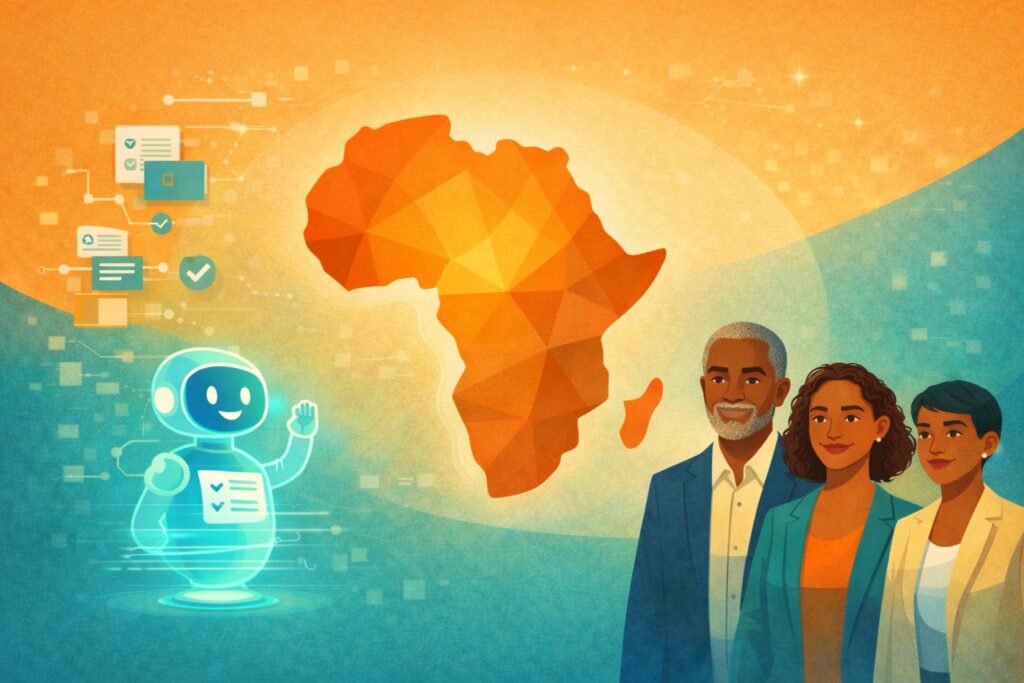
Across Africa, cities such as Nairobi, Lagos, and Cape Town have evolved into dynamic technology hubs that attract entrepreneurs, software developers, investors, multinational companies, and ambitious students from across the continent. These ecosystems are no longer simply adopting technology developed elsewhere—they are creating products, launching startups, attracting venture capital, and solving complex problems through innovation tailored to local realities.
The rise of these hubs has given birth to what many now call Africa’s “Silicon Savannah.” This term reflects more than geography. It represents an entrepreneurial mindset built on resilience, creativity, practical problem-solving, and a willingness to challenge conventional approaches. Rather than replicating existing technology ecosystems, African innovation hubs have developed their own identity, combining global technological standards with deep knowledge of regional markets and community needs.
As investment continues to grow and digital infrastructure expands, Nairobi, Lagos, and Cape Town are becoming increasingly important players in the global technology economy. Their influence demonstrates that world-class innovation can emerge anywhere talent, collaboration, and opportunity come together.
Why Technology Hubs Matter
Innovation rarely develops in isolation.
Successful technology ecosystems depend on environments where entrepreneurs, engineers, investors, researchers, educators, and business leaders can collaborate, exchange ideas, and build products together.
Strong technology hubs provide:
- access to skilled talent;
- startup incubation;
- venture capital;
- mentorship opportunities;
- networking events;
- research partnerships;
- educational resources.
These elements create a self-reinforcing ecosystem where innovation accelerates naturally over time.
Nairobi: The Heart of the Silicon Savannah
Kenya’s capital has become one of Africa’s most recognized technology centers.
Nairobi earned the nickname “Silicon Savannah” because of its vibrant startup ecosystem and pioneering role in digital innovation.
Several factors have contributed to its growth:
- widespread mobile technology adoption;
- strong entrepreneurial culture;
- expanding venture capital investment;
- supportive innovation spaces;
- increasing international partnerships.
The city has become particularly influential in sectors such as:
- financial technology;
- agricultural technology;
- climate technology;
- digital health;
- educational technology.
Many startups based in Nairobi develop solutions that address local challenges while attracting global attention.
Lagos: Africa’s Fastest-Growing Startup Ecosystem
Nigeria’s commercial capital has emerged as one of the continent’s most energetic centers for entrepreneurship.
Lagos benefits from:
- a large population;
- a rapidly expanding digital economy;
- significant consumer demand;
- ambitious entrepreneurs;
- increasing international investment.
Its startup ecosystem has produced innovative companies across industries including:
- digital banking;
- payment technologies;
- logistics;
- e-commerce;
- enterprise software;
- artificial intelligence.
The city’s fast-moving business culture encourages rapid experimentation and continuous innovation.
Cape Town: Where Technology Meets Global Business
Cape Town has developed a distinctive technology ecosystem that combines innovation with strong international business connections.
The city attracts entrepreneurs through its:
- mature startup infrastructure;
- research institutions;
- growing venture capital community;
- international business presence;
- high quality of life.
Cape Town has become particularly active in:
- software development;
- cybersecurity;
- software-as-a-service (SaaS);
- digital design;
- artificial intelligence.
Many companies use the city as a base for expanding into both African and global markets.
Startup Ecosystems Thrive Through Collaboration
The success of technology hubs depends on far more than office buildings or funding.
Strong ecosystems encourage continuous collaboration among:
- startups;
- universities;
- investors;
- accelerators;
- incubators;
- government initiatives;
- corporate innovation programs.
Knowledge sharing enables entrepreneurs to learn from one another, avoid common mistakes, and build stronger businesses.
Innovation grows faster when communities work together rather than compete in isolation.
Venture Capital Is Accelerating Growth
Investment has become one of the most important drivers behind Africa’s expanding technology ecosystem.
Venture capital firms increasingly recognize the continent’s enormous growth potential.
Investment supports:
- product development;
- hiring engineering teams;
- international expansion;
- research and innovation;
- customer acquisition;
- infrastructure development.
Beyond financial resources, investors often contribute mentorship, strategic guidance, and valuable industry connections.
Coworking Spaces Build Entrepreneurial Communities
Modern innovation hubs extend beyond traditional office environments.
Coworking spaces have become centers of collaboration where entrepreneurs exchange ideas, attend workshops, participate in networking events, and develop partnerships.
These environments provide:
- affordable workspaces;
- professional communities;
- educational events;
- startup mentoring;
- investor introductions;
- collaborative culture.
For many early-stage founders, coworking communities become invaluable sources of inspiration and support.
Universities Are Producing the Next Generation of Innovators
Educational institutions play an increasingly important role in strengthening technology ecosystems.
Universities contribute by:
- teaching technical skills;
- supporting research;
- encouraging entrepreneurship;
- hosting innovation competitions;
- partnering with industry.
Students often launch startups while completing their studies, transforming academic ideas into commercial products.
Education has become a cornerstone of sustainable innovation.
Culture Shapes Innovation
One of the defining strengths of Africa’s technology ecosystem is its cultural diversity.
Entrepreneurs often approach challenges differently because they understand unique local contexts.
This perspective encourages innovation focused on:
- affordability;
- accessibility;
- mobile-first design;
- multilingual experiences;
- practical usability.
Rather than copying products developed elsewhere, startups frequently create entirely new solutions that better reflect the needs of their communities.
Building Talent for the Next Generation of Innovation
Behind every successful technology hub is a continuous pipeline of skilled professionals ready to transform ideas into impactful digital products. As startup ecosystems expand across Nairobi, Lagos, and Cape Town, the demand for software engineers, AI specialists, cloud architects, cybersecurity experts, product managers, and UX designers continues to grow. Meeting this demand requires educational programs that emphasize practical experience alongside technical knowledge.
Modern learning platforms help prepare future innovators through project-based courses that reflect real industry challenges. Students gain hands-on experience developing applications, collaborating in teams, solving business problems, and using modern development tools that mirror professional workflows. By combining technical instruction with mentorship and career guidance, these programs equip learners with the confidence to contribute immediately to startups and technology companies.
Equally important is the opportunity to build professional networks. Partnerships between educational platforms, innovation hubs, coworking spaces, and technology companies create pathways to internships, collaborative projects, mentorship, and employment opportunities. These connections strengthen both individual careers and the broader technology ecosystem by ensuring that talented graduates become active contributors to Africa’s rapidly growing innovation economy.
International Companies Are Paying Attention
Global technology companies increasingly recognize Africa as a source of innovation and technical talent.
Many organizations now:
- establish regional offices;
- recruit remote engineers;
- invest in startups;
- support accelerator programs;
- collaborate with universities.
This growing international engagement creates new career opportunities while strengthening local ecosystems.
African innovation is becoming part of the global technology conversation.
Challenges Still Remain
Despite remarkable progress, technology ecosystems continue facing important challenges.
These include:
- unequal internet access;
- infrastructure limitations;
- funding gaps for early-stage startups;
- talent shortages in specialized fields;
- regulatory uncertainty.
Addressing these issues will require continued collaboration among governments, educational institutions, investors, and technology leaders.
The momentum, however, remains overwhelmingly positive.

The Future of Africa’s Technology Hubs
The next decade promises even greater transformation.
Emerging technologies expected to shape these ecosystems include:
- artificial intelligence;
- cloud-native infrastructure;
- blockchain;
- quantum computing research;
- advanced robotics;
- climate technology;
- biotechnology.
As digital economies continue expanding, African technology hubs will increasingly influence global innovation rather than simply participate in it.
Conclusion
Nairobi, Lagos, and Cape Town have become far more than regional technology centers. They represent a new generation of innovation ecosystems where entrepreneurial ambition, technical talent, investment, and collaboration come together to create solutions with both local relevance and global impact. Their rapid growth demonstrates that world-class technology is no longer confined to traditional innovation capitals but can flourish wherever creative people are empowered to solve meaningful problems.
The continued success of these hubs depends on more than funding or infrastructure. It relies on strong educational systems, vibrant startup communities, supportive investors, and opportunities for talented developers to learn, collaborate, and grow. By connecting education with industry and fostering partnerships across the technology ecosystem, innovation hubs create environments where ideas can evolve into products that improve lives and strengthen economies.
As Africa’s digital landscape continues to expand, its leading technology cities are positioned to shape the future of software development, artificial intelligence, fintech, climate innovation, and countless other industries. The “Silicon Savannah” is no longer an emerging concept—it is an established force within the global technology ecosystem, proving that the next wave of innovation can come from anywhere talent is given the opportunity to thrive.