The Power of Team Development: How to Find the Right Teammates and Build Successful Projects While Learning

Great Software Is Never Built Alone
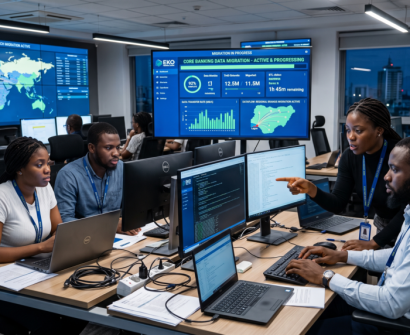
Behind every successful application, startup, or digital platform is a team of people with different skills working toward the same goal. While stories about brilliant solo programmers continue to inspire many aspiring developers, the reality of modern software engineering is very different. Today’s most successful products are created by multidisciplinary teams where software developers, designers, product managers, quality assurance specialists, and business strategists collaborate throughout every stage of development.
For students and junior developers, learning how to work effectively in a team is just as important as mastering programming languages or algorithms. Technical knowledge may help someone write excellent code, but the ability to communicate, solve problems together, manage projects, and support teammates often determines whether an idea becomes a successful product or remains unfinished. Teamwork transforms individual knowledge into collective innovation.
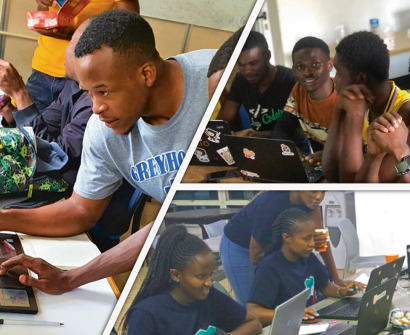
One of the greatest advantages of joining a modern educational program is the opportunity to collaborate with other learners on real-world projects before entering the professional job market. Working in teams allows students to experience realistic development workflows, understand different technical roles, and build products that demonstrate both their coding abilities and their collaboration skills. These experiences prepare graduates for careers in technology far more effectively than learning in isolation.
Why Teamwork Matters in Software Development
Modern software projects have become increasingly complex.
A single application may include:
- web development;
- mobile applications;
- cloud infrastructure;
- cybersecurity;
- artificial intelligence;
- databases;
- user experience design.
No individual can realistically master every specialization at the highest level.
Successful software products rely on teams where every member contributes unique expertise while working toward shared objectives.
Collaboration has become one of the most valuable professional skills in the technology industry.
Finding the Right Teammates
A successful project begins with choosing people who share similar goals and values.
Technical ability is important, but it is only one part of effective collaboration.
Strong teammates are often:
- reliable;
- communicative;
- curious;
- willing to learn;
- respectful of different opinions;
- committed to completing their responsibilities.
A highly motivated beginner frequently contributes more to a project than an experienced developer who lacks commitment.
Shared responsibility creates stronger teams.
Building a Balanced Team
Every successful software project benefits from clearly defined roles.
Although smaller student teams may require members to perform multiple responsibilities, understanding each role helps organize development more effectively.
Frontend Developer
Frontend developers create the user interface that people interact with every day.
Their responsibilities include:
- responsive layouts;
- interactive components;
- accessibility;
- user experience implementation.
They transform ideas into visually engaging applications.
Backend Developer
Backend developers build the systems that power applications behind the scenes.
Typical responsibilities include:
- server architecture;
- databases;
- APIs;
- authentication;
- business logic.
They ensure that applications remain secure, scalable, and reliable.
UI/UX Designer
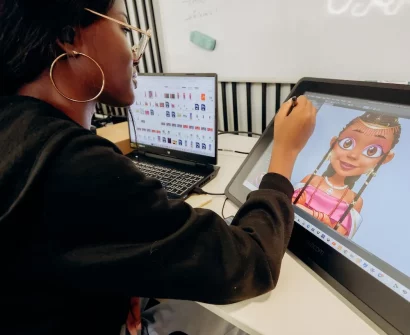
Designers focus on creating intuitive experiences for users.
Their work includes:
- interface design;
- user research;
- wireframes;
- prototypes;
- usability testing.
Excellent design makes software both attractive and easy to use.
Product Manager
Product managers help teams remain focused on solving the right problems.
They coordinate:
- feature prioritization;
- planning;
- communication;
- user feedback;
- project direction.
Strong product management ensures that development efforts align with real user needs.
Communication Is the Foundation of Collaboration
Many promising projects fail because teams communicate poorly rather than because of technical limitations.
Effective communication involves:
- discussing ideas openly;
- asking questions early;
- sharing progress regularly;
- resolving disagreements respectfully;
- supporting teammates during challenges.
Clear communication prevents misunderstandings and keeps projects moving efficiently.
Listening is just as important as speaking.
Version Control Keeps Everyone Organized
Modern software development depends on effective version control.
Git allows multiple developers to work on the same project without interfering with one another’s progress.
Key benefits include:
- tracking code changes;
- collaborative development;
- branch management;
- rollback capabilities;
- code reviews.
Learning Git early prepares students for professional engineering environments where collaborative version control is essential.
Project Management Improves Productivity
Successful teams rarely rely on memory alone.
Project management tools help organize work and maintain visibility across the entire development process.
Common workflows include:
- creating task boards;
- assigning responsibilities;
- tracking deadlines;
- monitoring progress;
- prioritizing features.
Clear organization allows teams to focus more on solving problems and less on coordinating activities.
Code Reviews Make Everyone Better
Professional developers rarely work without peer review.
Code reviews improve both software quality and learning outcomes.
Benefits include:
- identifying bugs early;
- improving code readability;
- sharing best practices;
- encouraging consistency;
- accelerating learning.
Receiving constructive feedback should be viewed as an opportunity for growth rather than criticism.
Strong teams continuously learn from one another.
Managing Conflict Professionally
Disagreements naturally occur during collaborative projects.
Different technical opinions often lead to stronger solutions when handled respectfully.
Successful teams resolve conflicts by:
- focusing on evidence;
- discussing user needs;
- evaluating technical trade-offs;
- remaining open to feedback;
- prioritizing project goals.
Professional collaboration values solutions over personal preferences.
Respect builds stronger engineering cultures.
Learning Through Collaborative Projects
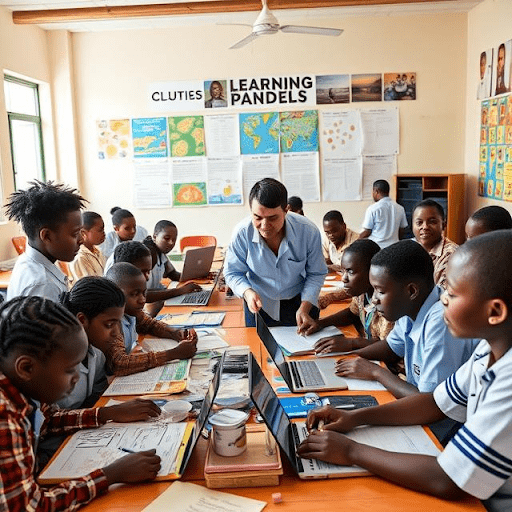
One of the greatest advantages of project-based education is the opportunity to experience software development as it happens in professional environments. Rather than completing isolated assignments, students work together to design, build, test, and improve real applications while developing the collaboration skills expected by modern technology companies.
Educational platforms that encourage team-based learning provide structured opportunities for students to form development groups, assign technical roles, use professional collaboration tools, and manage projects from concept to deployment. Through these experiences, learners become familiar with agile workflows, version control, sprint planning, and collaborative problem-solving long before entering the workforce.
Group capstone projects, mentorship, and peer collaboration also help students build stronger portfolios. Employers increasingly value candidates who can demonstrate not only technical expertise but also the ability to contribute effectively within multidisciplinary teams. Practical teamwork experiences therefore become an important bridge between education and professional software engineering careers.
Building a Portfolio Together
Collaborative projects often produce stronger portfolios than individual exercises.
Team projects demonstrate experience with:
- software architecture;
- collaborative workflows;
- communication;
- Git repositories;
- documentation;
- project planning.
These examples provide employers with valuable evidence of professional readiness.
A well-executed group project can become one of the strongest highlights of a junior developer’s portfolio.
Communities Accelerate Learning
Technology communities create opportunities to meet future teammates.
Students can connect through:
- coding clubs;
- university communities;
- hackathons;
- online developer groups;
- open-source projects;
- technology meetups.
Active participation expands both technical knowledge and professional networks.
Many long-term collaborations begin through community involvement.
The Future of Software Development Is Collaborative
As technology continues evolving, software systems become increasingly interconnected.
Future projects will require specialists in:
- artificial intelligence;
- cybersecurity;
- cloud computing;
- DevOps;
- blockchain;
- data science.
Collaboration across disciplines will become even more important as products grow in complexity.
Developers who communicate effectively and work well in teams will remain highly valuable throughout their careers.
Conclusion
Successful software development has never been solely about writing code. It is about bringing together people with different strengths, perspectives, and expertise to solve meaningful problems through collaboration. For students and junior developers, learning how to work effectively within a team is one of the most valuable investments they can make. Technical knowledge opens the door to a career in technology, but communication, trust, organization, and shared responsibility are what transform individual skills into successful products.
Working on collaborative projects during the learning process allows future developers to experience professional workflows long before joining the industry. By taking on different roles, participating in code reviews, managing tasks, and solving challenges together, students develop practical experience that cannot be gained through individual study alone. These experiences build stronger portfolios, increase confidence, and prepare graduates for the realities of modern software engineering.
As Africa’s technology ecosystem continues to expand, innovation will increasingly depend on teams capable of combining technical excellence with effective collaboration. The developers who learn to build together today will become the engineers, startup founders, and technology leaders shaping the continent’s digital future tomorrow.