Closing the Digital Gender Gap: How Technology Is Opening New Doors for Women in Africa’s Tech Industry
Talent Has Never Been Limited by Gender—Only Opportunity
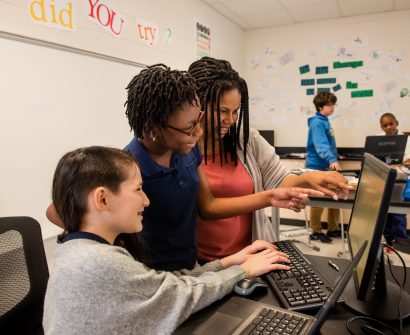
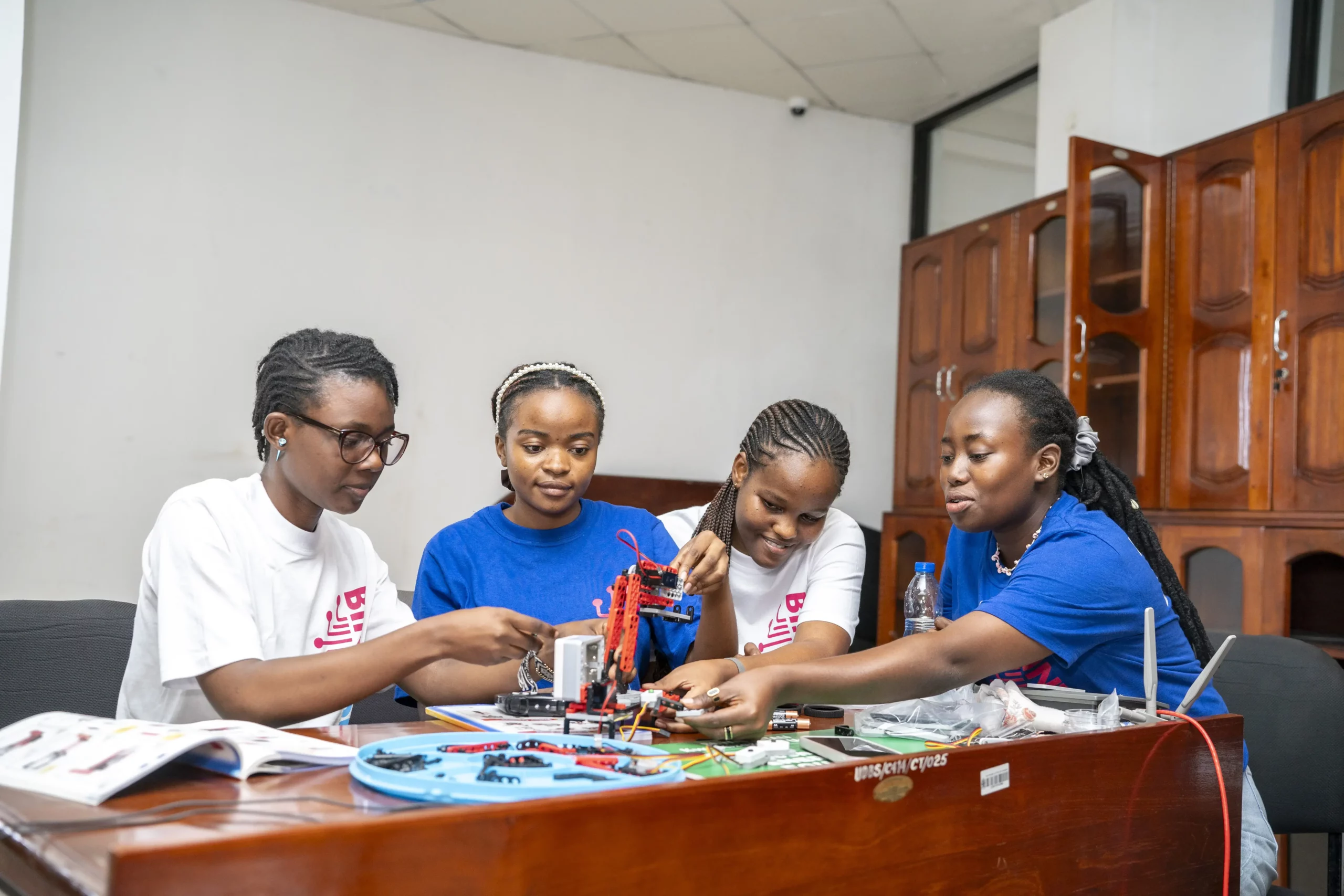
Across Africa, a quiet transformation is reshaping the future of technology. More women than ever are learning to code, launching startups, leading engineering teams, analyzing data, designing digital products, and solving some of the continent’s most pressing challenges through innovation. While the technology sector has traditionally been viewed as a male-dominated field, that perception is gradually changing as education, mentorship, and inclusive communities create new opportunities for women to build successful careers in technology.
The importance of this transformation extends far beyond individual success stories. Increasing women’s participation in technology strengthens economies, drives innovation, and helps ensure that digital products are designed to serve the needs of diverse communities. Teams that bring together people with different perspectives consistently produce more creative solutions, make better decisions, and build products that are more inclusive and accessible for users.
Despite this progress, significant challenges remain. Many girls still face limited access to quality STEM education, social stereotypes that discourage technical careers, financial barriers, and a lack of visible role models in engineering and computer science. These obstacles are not a reflection of ability—they are the result of unequal access to opportunities that have historically shaped educational and professional pathways.
Technology education is helping to change that reality. By providing affordable learning opportunities, mentorship, scholarships, and supportive communities, educational platforms and technology organizations are creating environments where women can develop technical skills, gain confidence, and pursue careers that were once considered out of reach. The result is a new generation of African women who are not only joining the technology industry but actively shaping its future.
Why Gender Diversity Matters in Technology
Technology influences nearly every aspect of modern life, from healthcare and education to banking, transportation, and communication. The people who design digital products inevitably influence how those products serve society.
When technology teams include diverse perspectives, they are better equipped to identify challenges, understand different user experiences, and develop solutions that meet the needs of broader communities.
Research consistently highlights several advantages of diverse technology teams:
- stronger problem-solving capabilities;
- increased creativity and innovation;
- better collaboration;
- improved product design;
- broader customer understanding;
- stronger long-term business performance.
Encouraging more women to pursue careers in technology is therefore not simply a matter of fairness—it is an essential driver of innovation and sustainable economic growth.

The Barriers Many Women Still Face
Although opportunities continue to expand, many aspiring female technologists encounter challenges long before they submit their first job application.
Some of the most common barriers include:
- limited access to STEM education during childhood;
- financial constraints affecting higher education;
- cultural stereotypes surrounding technical professions;
- lack of female mentors;
- reduced visibility of successful women in technology;
- lower confidence caused by social expectations.
These obstacles often discourage talented young women before they have the opportunity to discover their abilities.
Removing these barriers requires coordinated efforts from educators, technology companies, governments, nonprofit organizations, and local communities.
Education as the Foundation of Change
The most effective way to increase women’s participation in technology begins with education.
Accessible learning programs introduce girls and young women to programming, mathematics, engineering, data science, and digital problem-solving at an early stage, helping them build confidence alongside technical knowledge.
Modern technology education emphasizes practical learning through:
Coding Projects
Students learn by creating real applications rather than memorizing theory.
Practical experience demonstrates that programming is an accessible and creative discipline.
Collaborative Learning
Working in teams helps students develop communication skills while reducing the isolation that many beginners experience.
Supportive peer environments encourage long-term participation.
Mentorship
Guidance from experienced professionals provides encouragement, career advice, and practical insight into the realities of working in technology.
Mentors often become powerful sources of inspiration during challenging moments.
Career Preparation
Education should also include interview preparation, portfolio development, and professional networking to ensure students are ready for employment opportunities after completing their studies.
Women Are Transforming Every Area of Technology
Today’s technology industry offers opportunities far beyond software development alone.
Women across Africa are building successful careers in areas including:
- software engineering;
- artificial intelligence;
- machine learning;
- cybersecurity;
- cloud computing;
- data science;
- UI and UX design;
- DevOps;
- product management;
- digital entrepreneurship.
The diversity of available career paths allows learners to discover disciplines that align with both their interests and their strengths.
Technology Creates Financial Independence
One of the most significant benefits of digital careers is their ability to provide long-term economic empowerment.
Technology professionals often gain access to:
- competitive salaries;
- remote international employment;
- freelance opportunities;
- startup ecosystems;
- entrepreneurship;
- flexible working environments.
These opportunities allow women to achieve greater financial independence while contributing to the economic development of their communities.
Because technology skills are globally transferable, career growth is increasingly determined by expertise rather than geography.
Role Models Inspire Future Generations
Representation matters.
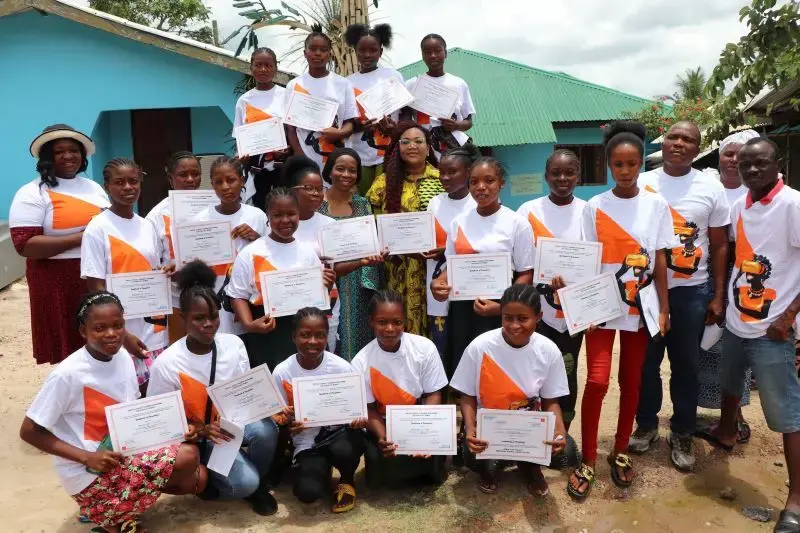
When young girls see successful women leading engineering teams, founding startups, teaching programming, or speaking at technology conferences, they begin to imagine similar possibilities for themselves.
Visible role models demonstrate that success in technology is achievable regardless of gender.
Across Africa, an increasing number of women are becoming:
- software architects;
- engineering managers;
- startup founders;
- AI researchers;
- cybersecurity specialists;
- university instructors;
- technology advocates.
Their achievements encourage younger generations to pursue careers they may never have previously considered.
Community Makes the Journey Easier
Learning technology can sometimes feel intimidating, especially for beginners entering unfamiliar environments.
Supportive communities help reduce this challenge by creating spaces where women can learn together, ask questions confidently, and celebrate each other’s achievements.
Strong technology communities provide:
- mentorship programs;
- coding clubs;
- networking events;
- technical workshops;
- peer learning groups;
- career guidance;
- leadership opportunities.
These communities foster confidence while helping members build valuable professional relationships.
Entrepreneurship Is Creating New Opportunities
Many women are using technology not only to secure employment but also to solve local challenges through entrepreneurship.
Across Africa, female founders are developing innovative solutions in areas such as:
Health Technology
Digital platforms improve healthcare access, maternal health, and medical information.
Financial Technology
Fintech startups expand financial inclusion for underserved populations.
Educational Technology
Online learning platforms increase access to quality education.
Agricultural Innovation
Digital tools support farmers through improved resource management and market access.
Entrepreneurship enables women to create jobs while addressing challenges within their own communities.
Breaking Stereotypes Through Achievement
One of the most powerful ways to challenge outdated assumptions is through visible success.
Every woman who becomes a software engineer, launches a technology company, contributes to open-source projects, or leads digital transformation initiatives helps redefine public perceptions about who belongs in technology.
As more women succeed, stereotypes gradually lose their influence.
Future generations grow up seeing technology as an inclusive profession open to everyone with curiosity, determination, and a willingness to learn.
Creating Inclusive Learning Environments
Expanding women’s participation in technology requires educational experiences that are accessible, supportive, and designed to remove barriers rather than reinforce them. Modern learning platforms play an essential role by creating environments where every student has the opportunity to develop technical skills with confidence, regardless of their background or previous experience.
Dedicated initiatives such as scholarships, financial assistance programs, mentorship opportunities, and women-focused technology communities help ensure that talented learners are not prevented from pursuing careers because of economic or social challenges. These initiatives are particularly valuable during the early stages of learning, when encouragement and peer support can significantly influence long-term success.
Beyond financial accessibility, inclusive educational platforms foster collaboration through networking events, group projects, coding workshops, and mentorship programs led by experienced professionals. By connecting learners with supportive communities and successful role models, these platforms help students build both technical expertise and the confidence needed to thrive in the global technology industry.
Why Companies Benefit From Greater Inclusion
Organizations increasingly recognize that inclusive workplaces create stronger teams.
Companies with diverse engineering groups often experience:
- improved innovation;
- broader customer perspectives;
- stronger collaboration;
- increased employee engagement;
- better long-term decision-making.
Supporting women in technology therefore benefits not only individual professionals but also employers seeking sustainable growth and competitive advantage.
The Future of Africa’s Technology Industry Depends on Everyone
Africa’s digital economy continues expanding at an extraordinary pace.
Emerging fields such as artificial intelligence, cybersecurity, fintech, climate technology, robotics, and cloud computing will require millions of skilled professionals in the coming years.
Meeting this demand will only be possible by ensuring that talented individuals of every background have equal opportunities to participate.
The future technology workforce cannot afford to overlook half of the available talent.
Conclusion
Closing the digital gender gap is about unlocking potential that has always existed. Across Africa, more women are proving every day that innovation, leadership, and technical excellence are not defined by gender but by opportunity, education, and determination. As access to quality technology education expands and supportive communities continue to grow, increasing numbers of women are building successful careers, launching startups, and developing solutions that improve lives across the continent.
The benefits of this transformation extend far beyond individual achievements. Diverse technology teams create stronger products, more inclusive services, and more resilient businesses. Every woman who enters the technology industry contributes fresh perspectives that strengthen innovation while inspiring future generations to pursue careers they may once have believed were out of reach.
By investing in accessible education, mentorship, scholarships, and inclusive learning environments, educational platforms play a critical role in building a technology ecosystem where everyone has the opportunity to succeed. As Africa’s digital economy continues to evolve, empowering women in technology will remain one of the most important drivers of sustainable innovation, economic growth, and social progress for decades to come.