48 Hours to Build the Future: Why Hackathons Are the Best Launchpad for Junior Developers
Innovation Thrives Under Pressure
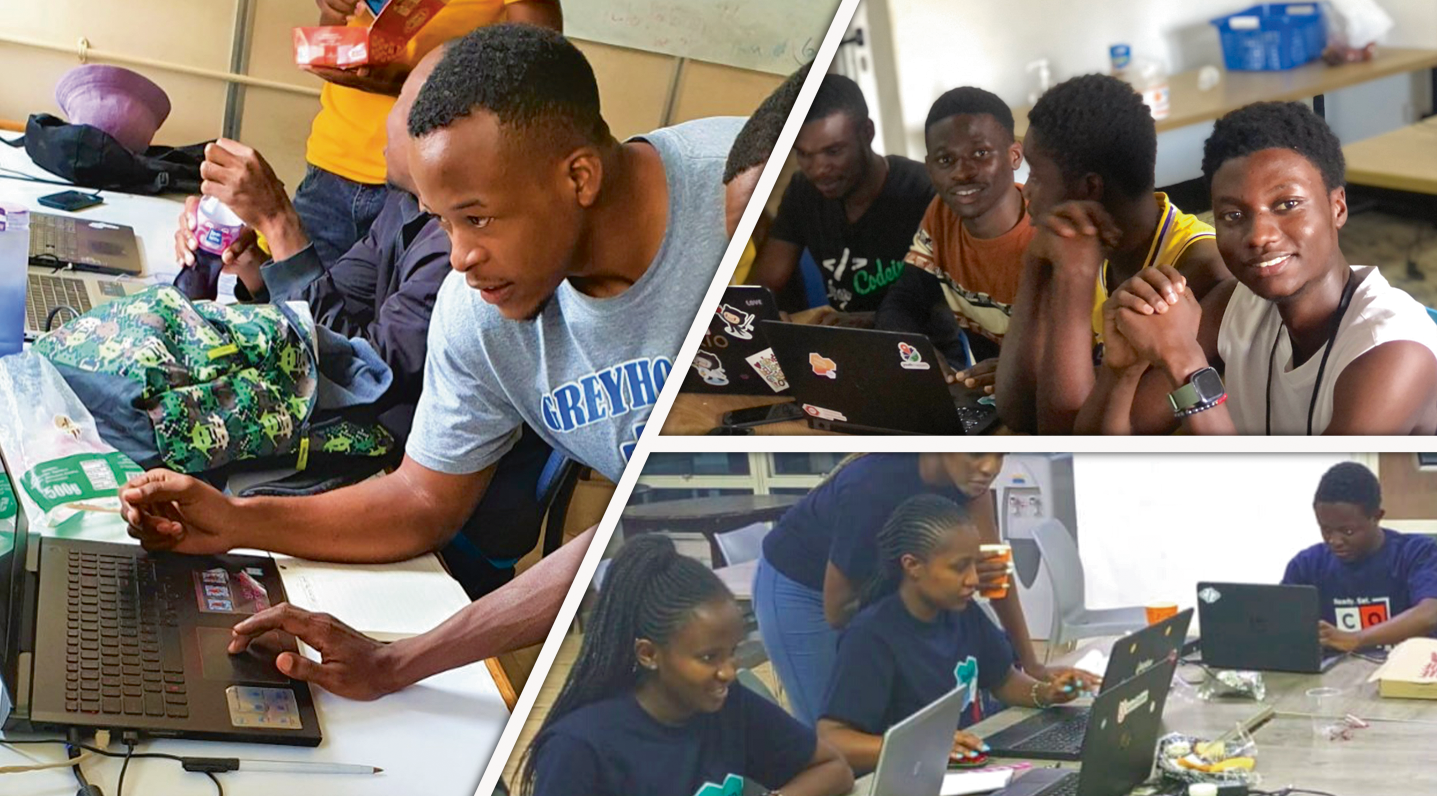
Imagine walking into a room on a Friday evening with nothing more than an idea, a laptop, and a team of people you may have just met. Forty-eight hours later, you leave with a working prototype, a polished presentation, valuable feedback from industry experts, and perhaps even the beginning of your own startup. This is the unique experience that hackathons offer—a fast-paced environment where creativity, technical skills, collaboration, and determination come together to transform ideas into reality.
For many junior developers, hackathons represent far more than programming competitions. They are immersive learning experiences that simulate the challenges of real-world product development. Participants learn to work under tight deadlines, prioritize features, communicate effectively within multidisciplinary teams, and make decisions with limited time and resources. These experiences cannot be fully replicated in a traditional classroom because they require participants to think like professional engineers, designers, and entrepreneurs from the very first hour.
Across Africa, hackathons have become powerful engines of innovation. Universities, technology hubs, startups, and educational organizations regularly organize events that bring together students, aspiring developers, designers, and business thinkers to solve practical problems affecting local communities. Many successful startups, open-source projects, and career opportunities have originated from ideas first explored during these intensive events. For junior developers looking to accelerate their growth, few experiences provide as much practical value in such a short period of time.
What Is a Hackathon?
A hackathon is an intensive collaborative event where participants work together to design, build, and present a functional technology solution within a limited timeframe.
Depending on the event, teams may have:
- 24 hours;
- 36 hours;
- 48 hours;
- an entire weekend.
During this period, participants move rapidly from brainstorming to developing a working Minimum Viable Product (MVP) that demonstrates the core value of their idea.
The objective is not to create a perfect product but to prove that the concept works.
Why Hackathons Are Ideal for Beginners
Many junior developers hesitate to join hackathons because they believe they lack experience.
Ironically, hackathons are one of the best environments for beginners to grow quickly.
Participants gain practical experience by:
- solving real-world problems;
- working with experienced teammates;
- experimenting with new technologies;
- receiving mentorship;
- presenting finished projects.
Instead of learning through isolated exercises, developers experience the complete product development process.
Every challenge becomes a valuable lesson.

Learning Happens Faster Under Real Deadlines
Traditional learning often allows unlimited time to complete assignments.
Professional software development rarely does.
Hackathons teach participants how to:
- prioritize important features;
- manage limited time;
- divide responsibilities;
- make technical decisions quickly;
- adapt when unexpected problems appear.
These skills become invaluable throughout a developer’s career.
Time pressure encourages efficient thinking rather than perfectionism.
Building an MVP Instead of a Perfect Product
One of the most valuable lessons learned during a hackathon is the importance of focusing on essentials.
Successful teams understand that limited time requires disciplined decision-making.
Rather than building every possible feature, they concentrate on creating an MVP that clearly demonstrates the product’s core purpose.
A strong MVP typically includes:
- one clearly defined problem;
- one practical solution;
- a functional user interface;
- reliable core functionality;
- a convincing demonstration.
Learning how to simplify ambitious ideas is an essential product development skill.
Teamwork Is the Heart of Every Hackathon
Software development is rarely a solo activity.
Hackathons reflect the collaborative nature of modern technology companies.
A balanced team may include:
- frontend developers;
- backend developers;
- UI/UX designers;
- product thinkers;
- data specialists;
- presenters.
Each member contributes unique expertise while working toward a shared objective.
Strong communication often becomes just as important as technical ability.
Communication Determines Success
Many excellent technical ideas fail because teams cannot communicate effectively.
Successful hackathon teams:
- discuss priorities openly;
- resolve disagreements respectfully;
- support one another during setbacks;
- share responsibilities clearly;
- present ideas confidently.
Learning to collaborate under pressure prepares participants for future careers in agile software teams.
Technical skills alone are rarely enough.
Creativity Matters More Than Complexity
Judges rarely reward projects simply because they use the newest technologies.
Instead, they often evaluate:
- originality;
- practical usefulness;
- user experience;
- technical execution;
- presentation quality;
- potential impact.
Simple ideas that solve meaningful problems frequently outperform highly complex systems with unclear value.
Innovation begins by understanding users rather than chasing technology trends.
Every Failure Becomes a Lesson
Not every project wins awards.
However, every participant gains valuable experience.
Common challenges include:
- unexpected bugs;
- changing requirements;
- limited time;
- communication difficulties;
- incomplete features.
Rather than viewing these moments as failures, experienced developers recognize them as opportunities to improve.
Every obstacle teaches lessons that strengthen future projects.

Networking Opens New Career Opportunities
Hackathons bring together people from diverse backgrounds.
Participants often meet:
- experienced engineers;
- startup founders;
- recruiters;
- investors;
- mentors;
- fellow students.
These connections frequently lead to:
- internships;
- job interviews;
- startup partnerships;
- mentorship relationships;
- collaborative projects.
For many junior developers, networking becomes one of the most valuable outcomes of the event.
Education Continues Beyond the Classroom
Hackathons complement traditional learning by allowing students to apply their knowledge in practical situations. Educational platforms that encourage participation in collaborative competitions help learners develop technical confidence while experiencing the realities of software development. Building a product under real deadlines requires far more than writing code—it demands planning, teamwork, communication, creativity, and adaptability.
Many modern learning platforms actively organize internal hackathons, innovation challenges, and collaborative coding events where students can experiment with new technologies in a supportive environment. These events allow participants to test their ideas, receive feedback from experienced mentors, and gain exposure to industry practices that are difficult to replicate through lectures alone.
Beyond technical growth, hackathons organized through educational communities create valuable networking opportunities. Students collaborate with peers from different backgrounds, interact with technology professionals, and build portfolios filled with real projects developed under realistic conditions. This combination of practical experience and professional exposure helps graduates enter the job market with stronger technical abilities and greater confidence.
Skills Developed During a Hackathon
Participants leave hackathons with far more than completed projects.
They strengthen abilities including:
Technical Skills
- software development;
- debugging;
- API integration;
- cloud deployment;
- rapid prototyping.
Professional Skills
- teamwork;
- leadership;
- communication;
- presentation;
- project management.
Personal Skills
- resilience;
- adaptability;
- confidence;
- creativity;
- problem-solving.
These competencies remain valuable throughout an entire technology career.
Why Employers Value Hackathon Experience
Recruiters increasingly recognize hackathons as indicators of practical ability.
Participation demonstrates that candidates can:
- collaborate effectively;
- solve unfamiliar problems;
- learn quickly;
- work under pressure;
- complete projects.
For junior developers with limited professional experience, hackathons provide powerful evidence of initiative and motivation.
A strong hackathon portfolio often strengthens job applications significantly.
The Future Belongs to Builders
As Africa’s technology ecosystem continues to expand, hackathons are becoming important catalysts for innovation.
Emerging fields such as:
- artificial intelligence;
- fintech;
- cybersecurity;
- climate technology;
- digital healthcare;
- agricultural technology;
will increasingly rely on collaborative problem-solving environments where ambitious developers can transform ideas into impactful solutions.
Hackathons prepare participants not only to join the technology industry but also to shape its future.
Conclusion
Hackathons offer one of the fastest and most effective ways for junior developers to grow both technically and professionally. In just a few days, participants experience the complete product development cycle, from identifying a problem and building a functional MVP to presenting their solution before experienced mentors and industry professionals. The combination of teamwork, creativity, time management, and practical problem-solving creates an environment where learning happens naturally through action rather than theory alone.
Beyond the technical experience, hackathons help participants build confidence, expand their professional networks, and discover how modern software teams collaborate under real-world conditions. Every project, regardless of its final outcome, provides valuable lessons that strengthen future careers. Participants leave with practical experience, stronger communication skills, and a portfolio that demonstrates their ability to turn ideas into working solutions.
As Africa’s technology ecosystem continues to evolve, hackathons will remain powerful platforms for discovering new talent, encouraging innovation, and inspiring the next generation of software engineers and entrepreneurs. For anyone beginning a career in technology, few experiences offer a better opportunity to learn, collaborate, and take the first meaningful step toward building the future.